




Born in 96 and rapidly approaching 30, I am (technically) a Millennial. But sitting somewhere near the cusp of Gen Z and frequently assumed to be one has got me thinking— how useful is it for us to think in terms of generations?
For many of the businesses See partners with, Gen Z and increasingly Gen Alpha represent a key nut to crack. It is vital for brands to understand, represent and deliver to these customers who make up their existing and prospective audiences. However, in our privileged position as researchers and advisors, sharing our clients’ purpose whilst closely observing populations, key watchouts emerge
“Thinking in terms of generations can be overly simplistic, misleading, and possibly even increasingly obsolete”
Now don’t get me wrong, currently generational umbrellas do still have a role to play in customer insight, but there are important factors to consider…
1. The stereotype trap
Gen Z has a big reputation, often portrayed as tech-savvy, socially aware, and authenticity-driven. While such shorthand is convenient, it risks trapping brands in clichés that overlook genuine needs—or worse, contradict values and alienate audiences. To connect meaningfully, end-users must see themselves accurately reflected in products, representation, and communication
Take Ryanair’s notable slam dunk at engaging Gen Z – intimate knowledge of the group led to the development of bite size content, firmly rooted in a resonant meme culture, deploying self-deprecating humour. To achieve this, organisations need to immerse themselves in the worlds of consumers.
“Good research directs businesses away from overly simplistic tropes by making sense of the complex nuances that exist within consumer groups in a specific market context”
2. A narrow frame
Generational labels offer a tempting shortcut— Gen Z shares experiences of growing up online, living through the pandemic, and facing specific global shocks
However, where brands acknowledge only these commonalities, they conflate a set of unique individuals. A person is more than their historical timeline. Everyone’s unique perspective and values, (and subsequent behaviours) are informed by a multitude of intersectional components—cultural, geographical, economic, social, familial, environmental, biological, neurological – all influencing how individuals respond to shared events
Brands relying on a homogenous view of a generation blunt their differentiation. The richest insights come from specifics: the subtleties that unite groups while still recognising differences
3. The micro-community take over
As future thinkers, we can’t help but speculate… are generations on course for redundancy?
Globalisation is booming at a consumer level. The forward march of AI is facilitating rapid knowledge sharing and connection, and technology and the internet are becoming increasingly democratic. People are living longer, participating in and benefiting from these advancements alongside newer generations. As our shared context becomes more global and age less relevant, the generational lens becomes increasingly obsolete
Some companies are responding to this realisation already. For example, Lego is honing an ability to inspire creativity and a world of possibilities regardless of age
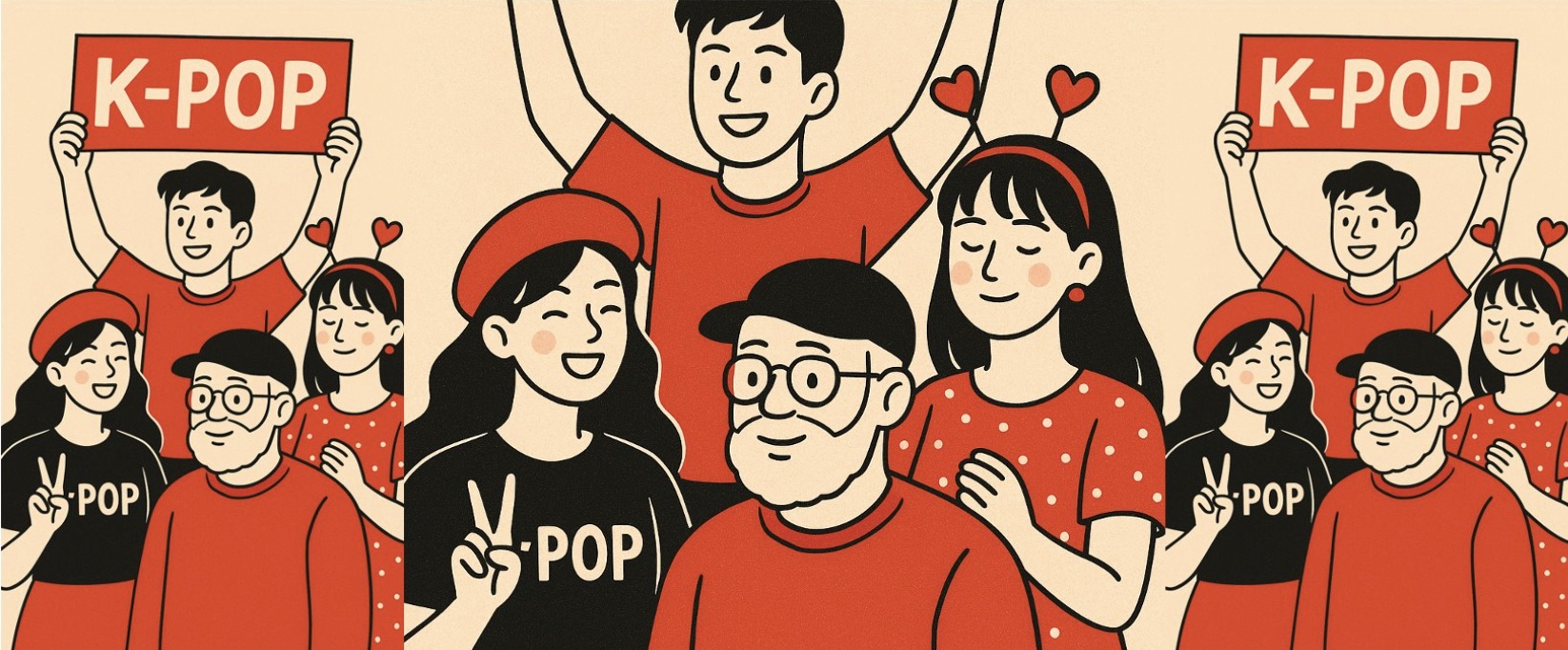
Global political, cultural, and environmental factors are increasingly shaping identities and splitting traditional groups. Micro communities—from Low Buy advocates and Wellness Tech fans to BookTok readers, Cottagecore gamers, and K-Pop followers—are rising. Brands should begin to shift focus from generational categories to interest-based segments that span age groups
“The opportunity for brands in the future will be to tap into a global digital mega culture of micro-communities.”
As ever, this complex landscape of differing values and expectations must be carefully navigated. Effective research will be a key partner in this journey, helping to anticipate, listen, co-create and adapt alongside shifting consumer needs
So, how should brands use generations today?
As a get-everyone-into-the-arena starting point— Generation based insights offer a jumping off point in the initial development phases of product or communication design. The wide lasso of a generational segmentation can make macro trends observable to inspire initial questions, set broad hypotheses, and provide a quick frame of reference
As a sign that more research is required— If too much weight is placed on generational commonalities, it’s a serious sign of nuance blindness— work needs to be done to understand the multiple components that drive attitudes and behaviours within the generational group. Not leaning into clichés and appreciating the textural breadth within a generational group gives a brand license to connect meaningfully (and profitably)
As an evolving tool— one day, generation sampling and segmentation may feel like an antique approach from a bygone era. Not only might micro-communities become more intelligent portals to access consumer insight, if cryonic freezing becomes mainstream, even the definition of a generation will disintegrate. (Is somebody unfrozen 200 years after their ‘icing’ at the age of 15 still ‘young’?) The future belongs, not to age groups, but to communities and the connections that cut across them
So, what shall I leave you with?
Well firstly, please continue to assume I’m Gen-Z, I’m quite happy to stay in my 20’s for a little longer. But more importantly, use generations carefully; look beyond the broad-brush assumptions to find the most impactful insights to drive organisational growth. And remember— just as teenagers weren’t a recognised group 100 years ago and tweens have emerged in the last few decades, things change
Need help with managing or making change? Get in touch