




Why 2026 is the year of brilliant brand collaborations
Brand collaborations are nothing new. Traditionally, they followed a predictable formula: brands from the same world teaming up to create something elevated. Likely born out of category relationships and team members putting their heads together. Think Stella McCartney x Adidas or Liberty x Nike. They made sense. They shared audiences. They complemented each other.
But 2026 feels different.
They’re often unexpected, crossing categories, sectors and consumption occasions. Yet somehow, they feel completely right. The best ones make you wonder why nobody thought of them sooner.
What’s particularly striking is how many of these collaborations are happening in FMCG. For a category often associated with incremental innovation, brands seem to be embracing a more playful, culturally aware approach. In a world of endless scrolling and shrinking attention spans, these partnerships cut through by surprising consumers, sparking conversation and giving people a new reason to pay attention.
5 partnerships stand out as doing this really well…
Heinz x Heineken: collaboration hiding in plain sight
Some collaborations work because the brands have always existed in the same moment.
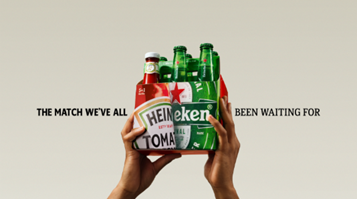
Heinz and Heineken are a perfect example. They’re familiar companions in pubs, bars, BBQs and restaurants across the world. One sits on the plate, the other beside it. The connection has always been there.
That’s what makes the partnership feel so clever. It’s simply recognising a relationship consumer have already created in their own minds (and kitchens).
Even visually, it works. The iconic Heinz red alongside Heineken’s bold green creates an instantly recognisable pairing. It feels natural, but fresh enough to make you stop and look.
(And for those sharp enough to notice, they are even linked by name, obvious yet easily missed.)
The best collaborations don’t always invent new behaviours. Sometimes they simply acknowledge the behaviours that already exist.
KFC x La Vieille Ferme: the power of unexpected combinations
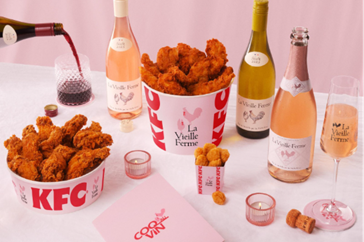
At first glance, fried chicken and wine feel worlds apart. One is a fast-food icon. The other is a well-loved wine brand often associated with leisurely summer moments.
Yet that’s exactly why the collaboration works.
Consumers love discovering combinations they wouldn’t have thought of themselves, but what makes this partnership stand out is the playful way it taps into how people increasingly engage with brands. Today’s consumers don’t just want products; they want brands that entertain, surprise and give them something worth sharing. By leaning into the conversations happening online (as the brand became coined ‘Chicken wine’), La Vieille Ferme created something people wanted to talk about, not just buy.
The strongest collaborations often sit in that sweet spot: surprising enough to capture attention, but logical enough to make sense once you’ve seen them – especially when given a physical space to try it in.
Deliveroo x ASOS: event riding in tandem
The most effective partnerships understand the context they’re entering.
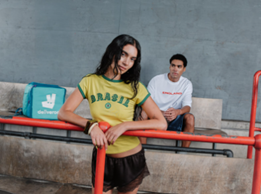
Deliveroo and ASOS capitalised on a major cultural moment, recognising that consumers don’t experience brands in isolation. The World Cup isn’t just about sport. It’s about what people wear, what they eat, where they spend time and how they socialise.
Rather than competing for attention, both brands inserted themselves into a moment that already had consumer attention.
It’s a reminder that successful collaborations aren’t always built around products. Sometimes they’re built around shared moments.
Little Moons x Candy Kittens: collaboration at the speed of culture
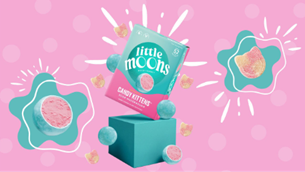
Probably one of the best collaborations of the year is Little Moons x Candy Kittens.
Not because of the products themselves and how well they work together, but because of how the collaboration came to life. The concept emerged publicly. Consumers were asking for it. Conversations happened on social media and the brands appeared to engage in real time. They even created fantastic content for the launch, featuring the brand founders being pitched the idea by their teams, using social media comments and projections of making them ‘big money’ as reasoning for an immediate launch.
Whether it had in fact been months in development is almost irrelevant. What consumers saw was responsiveness. They saw brands listening and acting. In an era where trends move at extraordinary speed, the perception of agility matters as much as agility itself.
Consumers increasingly love when brands notice what they’re saying. The brands that can demonstrate that they are listening gain a powerful advantage, capturing both attention and brand love.
DASH x Pink Lady: finding new places to play
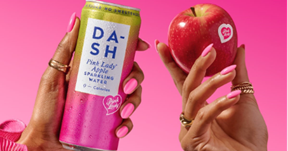
What makes Dash x Pink Lady particularly interesting is that it takes the brand outside its usual category context. Soft drinks normally compete in crowded beverage aisles. By partnering with one of the world’s most recognisable apples, Dash effectively gains permission to play in the fresh fruit aisle – a space that couldn’t be further from its usual home in soft drinks.
The collaboration also feels deeply grounded in audience understanding. This isn’t just about apples. It’s about premium ingredients, quality cues and flavour credentials. Consumers who choose Dash are often looking for those signals, and Pink Lady brings exactly those cues in a way few fruit brands could. A perfect coming together of brands that signal freshness, enjoyable health and elevated consumption experiences.
The result is a partnership that feels commercially smart while reinforcing brand positioning.
What can brands learn from these collaborations?
The best collaborations don’t come from brands looking at themselves. They come from brands paying close attention to their audiences, their behaviours and the conversations happening around them.
Listening to what their audiences are saying, helps brands understand what they want, whether that’s responding to a direct request or picking up on the language and associations people naturally make around a product. Observation of behaviours, adds another layer, helping brands understand where they show up in consumers’ lives and identify unmet needs, tensions and opportunities.
Together, these create the foundations for collaborations that feel like natural reflections of culture, that don’t just generate a buzz, they create recognition. Consumers feel seen, understood and connected to the brands they love.
In research we traditionally talk about the ‘unknown unknowns’ as the bastion of insight, unexpected and transformational truths that emerge when we take the time to really listen and observe. Whether through ethnographic studies, where we witness everyday moments, behaviours and relationships firsthand, or through AI powered netnography, where we uncover overlaps between how people are talking about and engaging with brands, categories and cultures.
Research helps brands uncover the unexpected connections, cultural intersections and shared passions that might otherwise go unnoticed in the boardroom. In doing so, it transforms collaboration from a marketing tactic into something that genuinely resonates.