




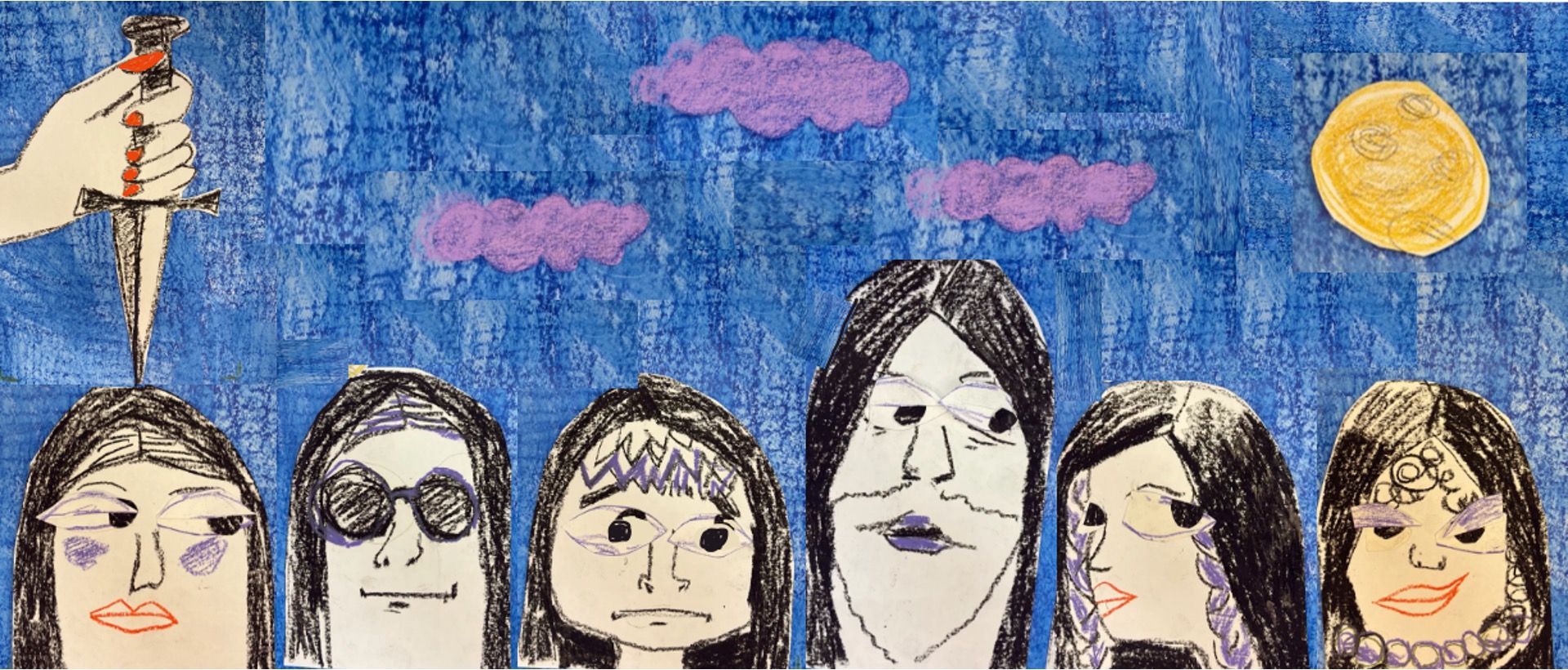
As the nights draw in, few things grip the nation quite like those few weeks of traitorous antics on the BBC. Office sweepstakes, morning debriefs on the latest episode, Claudia’s power-knitwear, murders in plain sight, Ross Kemp’s unhinged paranoia, treachery over toast in the breakfast room – it’s delicious TV
As an ethnographer, my fascination for The Traitors goes beyond the game itself. There’s something familiar about its premise: observing behaviour closely, looking for patterns and deviations, and trying to understand what it all means
The problem, of course, is that observation and interpretation aren’t the same thing. And The Traitors is a live experiment in just how unreliable we can be as interpreters of our own, and other people’s, behaviour. What makes the show so compelling is that we get to see not just the decisions people make, but the messy accumulation of moments that led them there
Nothing happens in a vacuum
If you wanted to understand why someone voted the way they did at banishment, you wouldn’t just ask them after the Round Table – you’d observe and interpret everything that happened beforehand. The hushed conversations, alliances starting to crumble, planted theories, an odd reaction, a kind gesture, a sudden change in body language. Something seemingly insignificant can suddenly take on enormous meaning.
So why do we sometimes expect consumers to reconstruct equally complex decisions for us from memory? Often, the most impactful insights lie in everything surrounding or preceding a choice or attitude.
What tells us most isn’t the choice itself, but the accumulation of moments that made it feel like the right one
The clues are often hiding in plain sight
The Traitors teaches us to pay close attention to the little things – an unusual silence, a subtle change in routine, applying lip-gloss late in the evening: in a game where everyone is desperately searching for clues, seemingly mundane behaviour suddenly becomes very worthy of attention
Ethnographic research asks us to bring that same curiosity and deep perception to everyday life. Not because ordinary behaviour is concealing something, but because the things we do most routinely are often the things we’re least likely to think worth mentioning, yet they can tell us a huge amount about how someone navigates a category
Often, the most interesting clues aren’t consciously hidden at all – they’re just so habitual and engrained that people barely think about them. The first cup of tea of the morning, the shortcuts taken around the weekly shop, the brands automatically reached for, workarounds that have become second nature – these everyday rituals can reveal unspoken needs, assumptions, compromises and priorities that might never come up in conversation, simply because they no longer feel remarkable or even conscious to the person doing them
That’s why
“show me what normally happens” can reveal something that “tell me what you normally do” often cannot
A good explanation isn’t always the whole explanation
We love to watch a contestant confidently and sincerely explain their reasoning, wholeheartedly backing their own theory and beliefs, only for us all-knowing viewers at home to have watched events unfold very differently. This doesn’t make their account or belief dishonest or invalid; it just reminds us that explanation is itself an act of interpretation that might not capture the influences that shaped it
Research participants are no different. Ask someone why they chose one product over another and they’ll usually give you an answer. That answer matters, but it isn’t necessarily the whole explanation. With ethnographic methods, what people tell us is one part of the picture. Putting those explanations alongside what we observe, the context around a decision and the behaviours that came before it can reveal a richer, fuller story
People are expert witnesses to their own experiences, but not necessarily expert analysts
That’s a big part of the unique joy of The Traitors: we already know the truth, and we get to watch everyone else try to reason their way towards it. Every interaction, silence or change in behaviour is interpreted through a complex web of existing assumptions, relationships and suspicions. The observation might be accurate, but the interpretation can be so utterly wrong. Contestants demonstrate week after week
how dangerous it can be to jump too quickly from “I saw this” to “therefore, it means that”
It’s a useful reminder that observation gives us clues, not conclusions, and explanation gives us interpretation, not the whole story. At See we embed ethnographic principles into all of our qualitative work to weave observation, context and people’s own accounts together, to understand behaviour and decision-making in the world in which it happens
Because whether you’re sitting behind a two-way mirror, or at Claudia’s Round Table, noticing something interesting is only the beginning – what does it actually mean?